Water damage can be costly and stressful and a definite sign you might need a new sump pump. A sump pump helps protect your basement from flooding, but how do you know when it’s time for one? If you notice signs like increased moisture, odd smells, or frequent water pooling, it could be time to invest in this important system. Consult with plumbing contractors in Pasadena, MD for professional advice who can help assess your situation and recommend the right solution. Ignoring these signs may lead to more serious issues down the road.
Frequent Basement Flooding
Heavy Rain or Storms Cause Water Damage
Heavy rain or storms can bring a lot of water in a short time. This can overwhelm your home’s drainage system. If the gutters are clogged or the downspouts are not directing water away from your home, the water can pool around your foundation. When water builds up near the foundation, it can seep into the basement.
Even if your basement isn’t fully flooded, moisture can cause damage to walls, floors, and stored items. It’s important to check gutters regularly and maintain proper drainage systems. If water keeps entering after storms, a new sump pump can help keep the basement dry.
Increasing Water Levels in the Basement
When water levels in the basement rise, it’s a sign that the space is having trouble draining water properly. During heavy rain, the ground can become saturated, causing water to move into the basement. If this happens often, the issue might be with the foundation or drainage around your home.
Sometimes, the basement floor isn’t properly sealed, allowing water to enter. Over time, this water can damage walls and floors. If you notice the water levels rising frequently, it’s best to consult a plumber to prevent further damage and keep the basement dry.
Damp or Musty Odors
Mold and Mildew Growth
Mold and mildew thrive in damp, poorly ventilated areas. Basements are especially vulnerable due to the humidity and moisture that often build up—issues a plumber in Brooklyn Park MD that homeowners trust often sees firsthand. These fungi can spread quickly on walls, floors, and stored items. You might first notice a musty smell. Mold and mildew not only damage your property but can also cause health issues, especially for people with allergies or respiratory problems. It’s important to tackle the root cause of the moisture. Fixing leaks, improving ventilation, and using dehumidifiers can help keep mold and mildew from growing and spreading.
Consistent Moisture in the Air
High humidity levels in the basement can lead to persistent moisture in the air. This creates the perfect environment for mold, mildew, and other moisture-related issues. Even if you don’t see water pooling, the air can feel damp. This can lead to rust on metal surfaces and damage to furniture or personal items.
If the moisture is constant, it may indicate that the foundation or drainage system is compromised. Using a dehumidifier can help control the moisture levels, but it’s important to find and address the source of the humidity to prevent further damage.
Foundation Cracks and Water Seepage
Cracks in the Walls or Floors
Cracks in the walls or floors of your basement can let water seep inside. These cracks may form from settling or pressure from the surrounding soil. Even small cracks can lead to bigger problems, especially during heavy rain. Water entering through these cracks can cause damage to your foundation and weaken the structure of your home. It’s important to inspect these cracks regularly and fix them early. If you notice any, consider sealing them to prevent further damage. Ignoring cracks can lead to mold growth, rot, and other serious issues in your basement.
Water Leaking Through Foundation
Water leaking through the foundation is a serious issue. When the ground around your house becomes wet, the pressure can push water through the foundation. This often happens during storms, snowmelt, or after heavy rain. Even small leaks can cause long-term damage, as water slowly erodes the foundation.
Over time, the constant presence of water can lead to the growth of mold, mildew, and structural weakening. To stop water leaks, it’s important to find the source and address it quickly. Sealing the foundation or adding a sump pump can help manage water levels and protect your home.
High Humidity Levels
Increased Moisture in the Air
High humidity levels in the basement can make the air feel damp. This moisture can damage items like wood, metal, and even electronics. It can cause rusting on pipes and tools, and lead to mold or mildew growth. The moisture also makes the air feel warmer, especially in the summer. Even if you don’t see standing water, the damp air can cause long-term problems. Using a dehumidifier can help control moisture in the air. It’s important to find the source of the moisture to prevent it from returning.
Difficulty Controlling Indoor Temperature
When there’s high humidity in the basement, it becomes harder to control the temperature. The air feels warmer than it is, making the space uncomfortable. You may notice that heating or cooling the area doesn’t work as well. The excess moisture also makes the basement feel clammy.
This can affect how your home’s heating and cooling system works. To solve this, you can install a dehumidifier or increase ventilation. Lowering humidity levels will help make the temperature easier to control and improve comfort in your home.
Recurring Water Pooling Around the House
Standing Water After Rain
Standing water around your house after a rainstorm is a clear sign of poor drainage. If water collects around your foundation, it can seep into the basement and cause flooding. This can lead to structural damage and even mold growth. It’s important to inspect the yard after each storm to check for standing water.
The cause could be clogged gutters, downspouts not directing water away, or low spots in the yard. Correcting these issues by cleaning the gutters, regrading the yard, or installing a drainage system can help keep water from pooling around the house.
Soggy Yard Areas
Soggy areas in the yard can be a sign that water isn’t draining properly. If the soil stays wet for a long time, it may indicate that water is collecting rather than flowing away. This can be caused by poor grading, blocked drains, or issues with the soil itself. A soggy yard not only leads to water pooling but can also harm your lawn and garden.
Over time, this excess moisture can damage your foundation, especially if the yard slopes toward the house. Fixing the drainage around the yard can help prevent the problem and protect your home from water damage.
Problems with Sump Pump Performance
Sump Pump Running Constantly
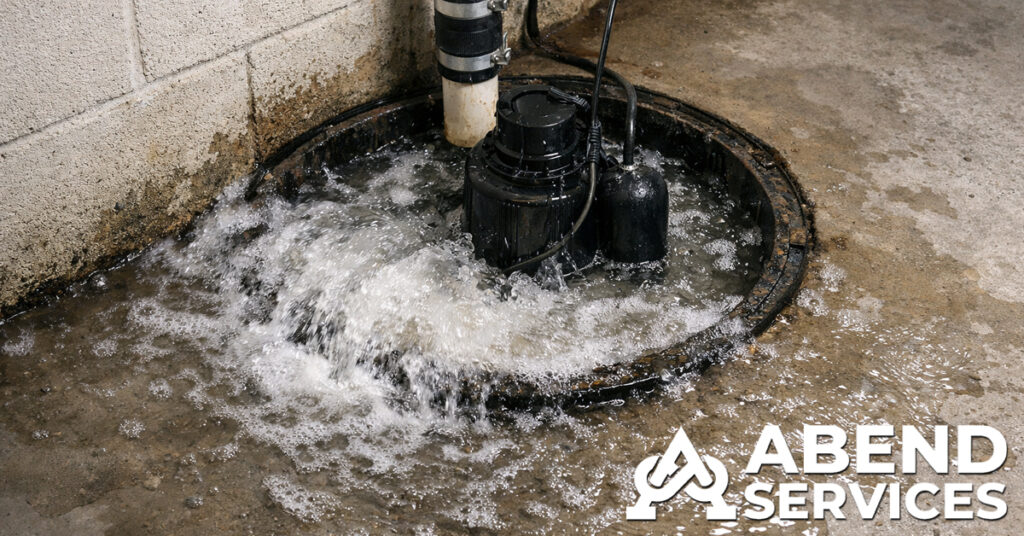
If your sump pump is running constantly, it could mean the pump is overwhelmed or malfunctioning. A sump pump should only run when there is excess water to remove. If it runs all the time, there may be an issue with the float switch or the pump itself. Sometimes, a blocked discharge pipe or a faulty check valve causes the pump to run non-stop.
This can also occur if the ground around your home is too saturated, causing the pump to continuously remove water. Regular maintenance, including checking the discharge pipe and float switch, can help prevent this issue.
Sump Pump Not Turning On or Off
A sump pump that doesn’t turn on or off correctly can lead to serious water damage. If the pump won’t turn on, it won’t remove water during storms or heavy rainfall. This could be caused by a broken float switch, power issues, or a clogged intake. If the pump won’t turn off, it could be due to a stuck switch or debris blocking the pump.
Either issue can cause the basement to flood. To fix this, check for clogs, ensure the pump is plugged in, and inspect the switch for any damage. If needed, call a professional to repair or replace the pump.
Previous Flooding or Water Damage
Water Stains on Walls or Ceilings
Water stains on walls or ceilings are signs of past water damage. These stains can be brown or yellowish, and they usually appear after heavy rain or flooding. Water stains show that moisture has seeped into the walls or ceiling. Over time, this can weaken the structure and cause mold growth.
If you notice these stains, it’s important to find the source of the water. It could be a leaky roof, broken pipes, or poor drainage. Ignoring these stains can lead to bigger problems, including damage to the foundation or electrical issues.
Ruined Furniture or Belongings
When water floods a basement or other areas of the home, furniture and belongings can get ruined. Wooden furniture absorbs moisture, which can warp or rot. Electronics, books, and photos are also at risk of water damage. If you find that personal items have been damaged by water, it could indicate past flooding or seepage.
Protecting your belongings from water damage involves addressing the source of the moisture. Fixing leaks, installing a new sump pump, and using waterproof containers for storage can help keep your home and possessions safe from future water damage.
Get a New Sump Pump Installed Quickly with Abend Plumbing
If you notice any of the signs above, act quickly to prevent further damage. Taking action early saves you from costly repairs and long-term issues. Don’t wait until the problem worsens. Addressing water-related issues promptly can help protect your home, foundation, and belongings from severe damage.
Abend Plumbing is ready to assist with plumbing needs and offer reliable, efficient services. Protect your home by addressing plumbing issues before they escalate. Visit us at 44 Robinson Landing Rd, Severna Park, MD, 21146, or call (410) 892-1651 for plumbing services and solutions.
Ready for Five Star Service You Can Count On?
Contact the experts at Abend Services today to schedule your next appointment!

 All Service Areas